What Is Quantum Computing? A No-Physics-Degree Explanation
Quantum computing without the math: qubits, superposition, entanglement, and interference explained through everyday analogies, plus what quantum computers can and cannot do.
By QuantumX Foundation4 min readOriginally published on LinkedIn
On this page
- Why classical computers hit a wall
- The qubit (without the math)
- Three magic words: superposition, entanglement, interference
- 1. Superposition: "Being in many states at once"
- 2. Entanglement: "Connected, no matter the distance"
- 3. Interference: "Canceling the wrong answers"
- What quantum computers can (and cannot) do
- What they can do well
- What they cannot do (yet)
- What they look like physically
- Where to go next
- So, what is quantum computing?
Quantum computing is a new way of computing that uses the strange behavior of tiny particles to solve certain problems much faster than today's computers. Instead of working with simple on/off switches (like a light being either off or on), quantum computers use something more flexible: like a spinning coin that can be both heads and tails until you look at it. This allows them to explore many possibilities at once and find better answers for complex problems like drug discovery, climate modeling, and optimization.
Why classical computers hit a wall
Let's start with what we already know.
Every app, website, and game you use runs on a classical computer. These machines process information using bits: tiny switches that can only be 0 or 1. Think of it like a traffic light that can only be red or green.
Now imagine solving a huge problem, like finding the fastest route through thousands of cities or breaking a very complex code. A classical computer checks possibilities step by step, like a person trying every key on a keychain one by one.
That works… until it doesn't.
As problems grow, the number of possibilities explodes. It becomes like trying to find one correct path in a massive traffic jam where every road keeps multiplying. Even the fastest supercomputers start slowing down because they can't check everything quickly enough.
This is where quantum computing comes in. Not to replace classical computers, but to tackle problems that grow too complex for them.
The qubit (without the math)
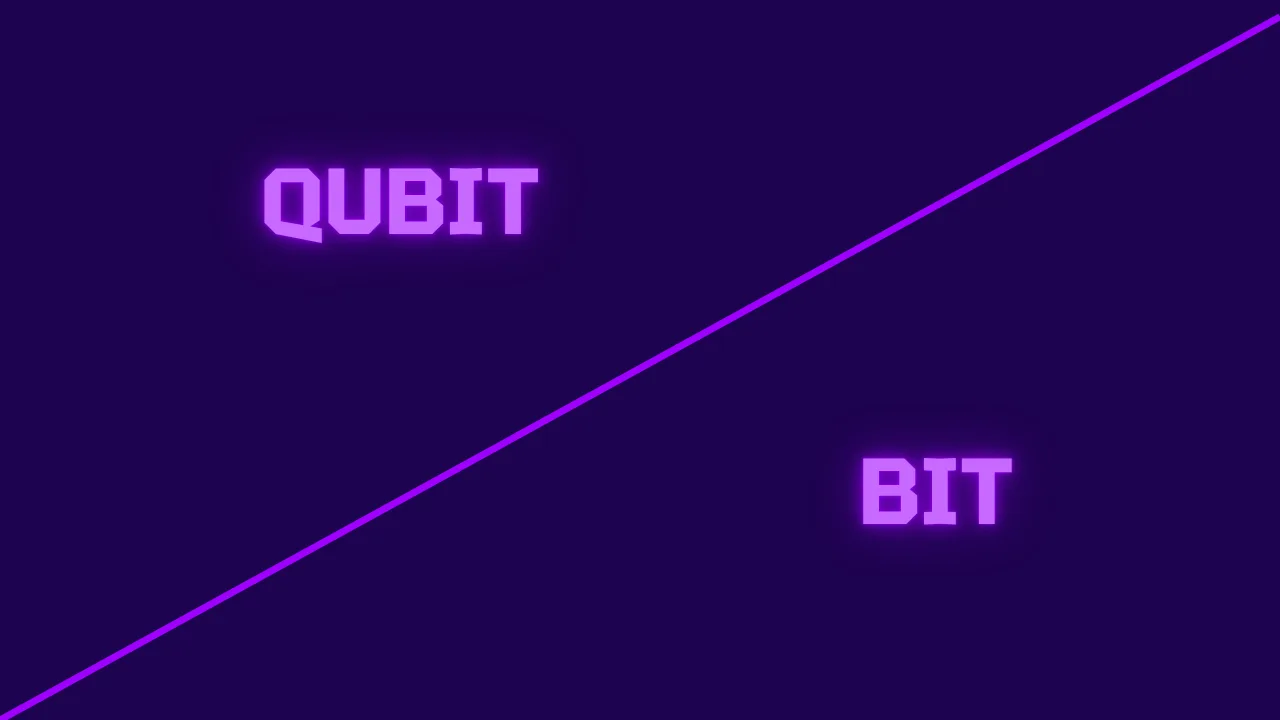
If classical computers use bits, quantum computers use qubits.
A bit is like a coin lying flat on a table. It's either heads (1) or tails (0).
A qubit is like a coin spinning in the air.
While it's spinning, it's not just heads or tails. It has the potential to be both at the same time. Only when you catch it and look at it does it settle into one side.
This "spinning coin" idea is the key difference. It allows quantum computers to hold more possibilities at once, instead of choosing just one path at a time.
Three magic words: superposition, entanglement, interference
These are the only three ideas you need to understand the power of quantum computing. No physics degree required.
1. Superposition: "Being in many states at once"
Imagine listening to a song. Instead of hearing just one instrument, you hear drums, guitar, and vocals all at the same time.
That's superposition.
A qubit doesn't pick just one state. It holds multiple possibilities together, like all instruments playing at once. This allows quantum computers to explore many solutions simultaneously.
2. Entanglement: "Connected, no matter the distance"
Now imagine two dancers perfectly in sync. Even if they move to opposite ends of the stage, when one moves, the other instantly matches.
That's entanglement.
Two qubits can become linked in such a way that changing one instantly affects the other. This connection allows quantum computers to coordinate information in powerful ways that classical systems cannot.
3. Interference: "Canceling the wrong answers"
Think of noise-canceling headphones.
They don't just play sound. They cancel unwanted noise by using opposite sound waves. The result? Only the clear music remains.
Quantum computers use interference in a similar way. They amplify the right answers and cancel out the wrong ones, increasing the chance of getting a useful result.
What quantum computers can (and cannot) do
Let's clear up a common myth: quantum computers are not "faster at everything."
What they can do well
- Solve complex optimization problems (like traffic systems or supply chains)
- Simulate molecules for drug discovery
- Break certain types of encryption
- Handle problems where possibilities grow extremely fast
What they cannot do (yet)
- Replace your laptop or phone
- Run everyday apps like Instagram or YouTube
- Solve all problems instantly
Think of quantum computers as a specialized tool, not a general-purpose machine. A crane is powerful, but it is not useful for writing emails.
As the field progresses, we're starting to see real movement toward practical systems. In 2025, for example, IBM outlined a roadmap to build a fault-tolerant quantum computer by 2029, capable of running millions of reliable quantum operations. That is an important step toward making quantum computing useful beyond research labs.
That encryption point matters well before those machines arrive, which is why we wrote about designing for a quantum-safe world.
What they look like physically
Quantum computers don't look like regular computers.
Instead of a keyboard and screen, they often look like a giant chandelier hanging from the ceiling.
Why? Because qubits are extremely sensitive. They need:
- Ultra-cold temperatures (colder than outer space)
- Isolation from noise and vibrations
- Carefully controlled environments
The golden, layered structures you see in photos are cooling systems that keep the quantum processor stable.
It's less like a laptop and more like a scientific experiment.
Where to go next
If this is your first time learning about quantum computing, you're already ahead of most people.
Here's how to go deeper without getting overwhelmed:
- Start with visual explanations and analogies (like the ones you just read)
- Explore beginner-friendly platforms like IBM Quantum or Microsoft Learn
- Focus on concepts, not equations
- Revisit the three ideas: superposition, entanglement, interference
Most importantly: don't rush. When you're ready for a structured plan, our practical 90-day path for beginners picks up from here.
Quantum computing feels confusing at first because it doesn't match how we experience the world. But with the right approach, it becomes intuitive.
So, what is quantum computing?
It's not magic. It's not science fiction. It's a new way of thinking about problems, one that uses the rules of the smallest things in the universe to unlock solutions we couldn't reach before.
And right now, you're at the perfect place to start.